
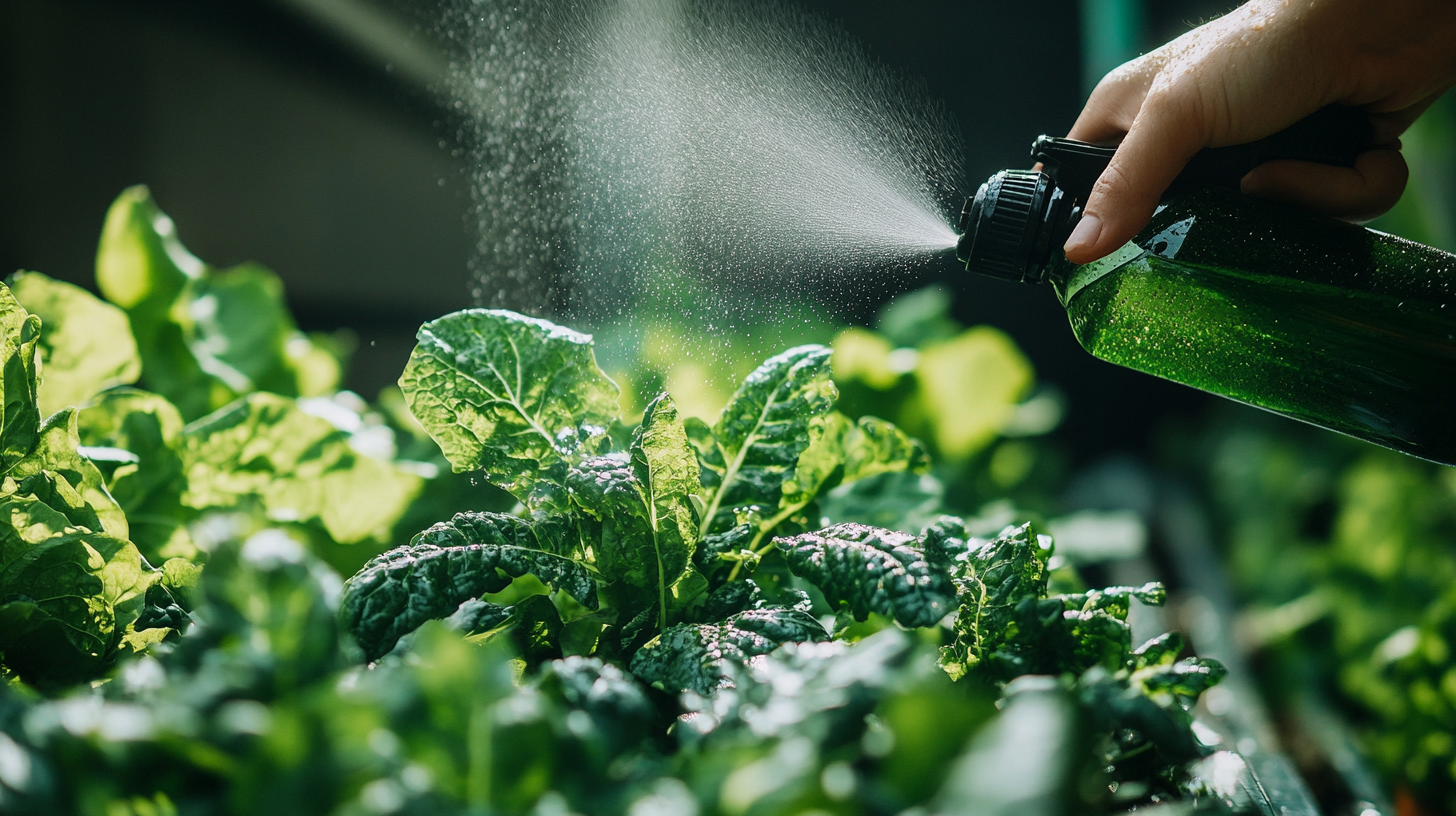
Every gardener dreams of a lush, thriving garden, but pests can often turn that dream into a nightmare. The good news is that you don’t need to rely on chemical pesticides to keep these unwanted visitors at bay. With a few simple ingredients, many of which you probably already have at home, you can create effective, natural pest control solutions that are safe for your garden and the environment. In this guide, we’ll explore some of the best homemade remedies for managing garden pests naturally.

Gardening is a wonderful way to connect with nature and enjoy the beauty and bounty of the earth. However, dealing with pests can sometimes make gardening feel like a battle. While chemical pesticides can be effective, they often come with a host of downsides, including harm to beneficial insects, soil health, and even human health. Fortunately, there are plenty of natural alternatives that are not only safer but can be just as effective. This article will guide you through easy, DIY pest management solutions that protect your garden without compromising its natural balance.
The Power of Natural Pest Control
Why choose natural pest control methods? For starters, they are safe for the environment, pets, and humans. They also help maintain the health of your soil and encourage biodiversity by protecting beneficial insects. Additionally, many natural remedies are cost-effective and easy to make, often using ingredients you already have in your kitchen or garden.
Benefits of Natural Pest Control
- Eco-Friendly: No harmful chemicals mean you’re not polluting the soil or water.
- Selective: These methods often target specific pests without harming beneficial insects like bees and ladybugs.
- Cost-Effective: Most ingredients for natural remedies are inexpensive and readily available.
- Safe: These solutions are safe to use around children and pets, giving you peace of mind.
DIY Pest Management Solutions
Here are some tried-and-true homemade remedies that can help you manage pests in your garden naturally.
1. Garlic Spray
Garlic is not just for flavoring your favorite dishes—it’s also a potent insect repellent. Its strong odor is unappealing to many pests, making it an effective natural pesticide.
- How to Make It: Blend a few cloves of garlic with water, strain the mixture, and add a few drops of dish soap to help it adhere to plants. Spray this mixture on your plants, focusing on the undersides of leaves where pests often hide.
- Effective Against: Aphids, whiteflies, and spider mites.
2. Neem Oil Spray
Neem oil, derived from the seeds of the neem tree, is a powerful natural pesticide that disrupts the life cycle of many insects. It’s safe for most beneficial insects, making it a gardener’s best friend.
- How to Make It: Mix two tablespoons of neem oil with a teaspoon of liquid soap in a gallon of water. Shake well and spray directly onto the affected plants.
- Effective Against: Aphids, mealybugs, caterpillars, and various fungal infections.
3. Diatomaceous Earth
Diatomaceous earth is a natural powder made from fossilized aquatic organisms. It works by dehydrating pests, making it an effective physical barrier against many insects.
- How to Use It: Sprinkle diatomaceous earth around the base of your plants or directly onto the soil where you’ve noticed pest activity. Be sure to apply it when the soil is dry, as it loses effectiveness when wet.
- Effective Against: Slugs, snails, ants, and beetles.
4. Soap Spray
A simple mixture of soap and water can be surprisingly effective at controlling a variety of soft-bodied insects. The soap breaks down the outer coating of the insect, leading to dehydration and death.
- How to Make It: Mix one tablespoon of mild liquid soap (like castile soap) with one quart of water. Spray the solution on affected plants, paying special attention to areas where pests congregate.
- Effective Against: Aphids, whiteflies, and spider mites.
5. Hot Pepper Spray
Hot pepper spray is another natural remedy that works by irritating and repelling insects. The capsaicin in the peppers causes discomfort to pests, driving them away from your plants.
- How to Make It: Blend a handful of hot peppers with water, strain the mixture, and add a few drops of dish soap. Spray this on plants to deter pests.
- Effective Against: Aphids, whiteflies, and caterpillars.
Maintaining a Balanced Garden Ecosystem
Natural pest control isn’t just about applying sprays and powders; it’s also about fostering a healthy garden ecosystem where beneficial insects thrive and pests are naturally kept in check. Here’s how you can maintain this balance.

Encourage Beneficial Insects
Not all insects are bad for your garden. In fact, many, such as ladybugs, lacewings, and predatory beetles, are natural predators of common pests. By creating a welcoming environment for these beneficial insects, you can reduce the need for other forms of pest control.
- Plant Diversity: Grow a variety of plants, including flowers and herbs like dill, fennel, and marigolds, which attract beneficial insects.
- Avoid Pesticides: Chemical pesticides can kill both harmful and beneficial insects. Stick to natural methods to protect the good bugs.
- Provide Habitats: Create habitats like small piles of rocks or logs where beneficial insects can live and breed.
Practice Crop Rotation
Rotating your crops each season can help prevent the buildup of pests and diseases in the soil. Different plants attract different pests, so by changing what you plant in a particular area each year, you disrupt the life cycles of these pests.
Maintain Healthy Soil
Healthy soil is the foundation of a healthy garden. By adding organic matter like compost, you improve soil structure, enhance water retention, and encourage the growth of beneficial microorganisms that can help control pests.
Gardening Tips for Natural Pest Control
- Inspect Regularly: Check your plants frequently for signs of pests so you can act quickly before an infestation takes hold.
- Hand-Pick Larger Pests: Sometimes the best solution is the simplest—remove larger pests like beetles, caterpillars, and slugs by hand.
- Mulch Wisely: Use organic mulch to retain soil moisture and suppress weeds, but be mindful that some types of mulch can also provide cover for pests.
- Water Smart: Water in the morning to reduce humidity around plants overnight, which can help prevent fungal diseases.
- Use Companion Planting: Some plants naturally repel certain pests. For example, planting basil near tomatoes can help deter whiteflies, and marigolds can repel nematodes.

FAQs on DIY Pest Management
Q1: Are natural pest control methods really effective?
A: Yes, natural pest control methods can be very effective, especially when combined with good gardening practices. They may take a bit more time and effort than chemical options, but they are safer for your garden and the environment.
Q2: Can I use these remedies on all plants?
A: Most natural remedies are safe for a wide variety of plants, but it’s always a good idea to test a small area first to ensure there’s no adverse reaction, especially with more sensitive plants.
Q3: How often should I apply these natural remedies?
A: The frequency of application depends on the severity of the pest problem. In general, applying treatments once a week or after rain (which can wash away sprays) is a good practice.
Recommended Tools and Resources
- Neem Oil: A versatile and effective organic pesticide for a variety of pests and fungal issues.
- Spray Bottle: Essential for applying homemade pest control sprays evenly across your plants.
- Garden Gloves: Protect your hands when handling diatomaceous earth or when hand-picking pests.
- Companion Planting Guide: A resource for understanding which plants work well together to naturally deter pests.
- Books on Organic Gardening: “The Organic Gardener’s Handbook of Natural Pest and Disease Control” offers a comprehensive guide to managing garden pests and diseases.
Conclusion
By using DIY pest management solutions, you can protect your garden in a way that is safe, effective, and environmentally friendly. Whether you’re using garlic spray, neem oil, or encouraging beneficial insects, these natural methods help maintain a healthy garden ecosystem. Remember, a little prevention goes a long way—regular monitoring, healthy soil, and proper plant care are all key to keeping pests under control. Happy gardening!