
A healthy, thriving garden is every gardener’s dream, but plant diseases can quickly turn that dream into a nightmare. The key to maintaining a lush, vibrant garden is prevention. By taking proactive steps, you can stop diseases before they take root and spread. In this guide, we’ll explore essential tips for preventing plant diseases, ensuring that your garden remains a flourishing oasis throughout the growing season.

Gardening is a labor of love, and seeing your plants suffer from diseases can be disheartening. While it’s impossible to eliminate all risks, you can significantly reduce the likelihood of disease outbreaks by implementing some simple yet effective preventive measures. This article will provide you with practical strategies to keep your plants healthy and disease-free, allowing you to enjoy a beautiful and productive garden.
Understanding Plant Diseases
Before diving into prevention tips, it’s important to understand what causes plant diseases. Plant diseases are typically caused by pathogens such as fungi, bacteria, viruses, and nematodes. These pathogens can be spread through soil, water, air, insects, and even by human activity. Once a plant is infected, the disease can spread quickly, especially under favorable conditions like high humidity or poor air circulation. By understanding how diseases spread, you can better protect your garden.
Essential Tips for Preventing Plant Diseases
Here are some essential tips to help you prevent plant diseases and keep your garden thriving:
1. Choose Disease-Resistant Varieties
One of the simplest ways to prevent plant diseases is to start with healthy, disease-resistant plant varieties. Many plants have been bred specifically to resist common diseases. When planning your garden, look for varieties labeled as resistant to the diseases that are prevalent in your area.
- Tip: When purchasing seeds or seedlings, check for labels like “disease-resistant” or “tolerant” and choose these varieties to reduce the risk of infection.
2. Practice Crop Rotation
Crop rotation is a time-tested method for preventing the buildup of soil-borne diseases. By rotating the types of plants grown in each area of your garden each season, you disrupt the life cycles of pathogens that target specific plants.
- Tip: Avoid planting the same family of plants (such as tomatoes, peppers, and eggplants) in the same spot more than once every three years to reduce the risk of disease.

3. Improve Soil Health
Healthy soil is the foundation of a healthy garden. Well-drained, nutrient-rich soil helps plants grow strong and resist disease. Regularly adding organic matter, such as compost, improves soil structure, enhances water retention, and supports beneficial microorganisms that can outcompete harmful pathogens.
- Tip: Test your soil every few years to check its pH and nutrient levels. Amend the soil as needed to create the ideal growing conditions for your plants.
4. Water Wisely
Watering practices play a crucial role in disease prevention. Wet foliage is a breeding ground for many fungal diseases, so it’s important to water your plants in a way that keeps the leaves dry.
- Tip: Water at the base of plants early in the morning so that any moisture on the leaves has time to evaporate during the day. Avoid overhead watering, which can splash soil-borne pathogens onto the leaves.
5. Maintain Proper Plant Spacing
Proper spacing between plants ensures good air circulation, which is essential for preventing the spread of diseases, particularly those caused by fungi and bacteria. Overcrowded plants create a humid environment where pathogens can thrive.
- Tip: Follow spacing recommendations for each plant species and consider thinning plants if they become too crowded as they grow.

6. Keep the Garden Clean
Good garden hygiene is critical for disease prevention. Dead plants, fallen leaves, and other garden debris can harbor pathogens that might infect healthy plants. Regularly cleaning up your garden reduces the chances of disease taking hold.
- Tip: Remove and dispose of any diseased plants or plant parts immediately. Do not compost diseased materials, as this can spread the pathogens to other parts of your garden.
7. Use Mulch Wisely
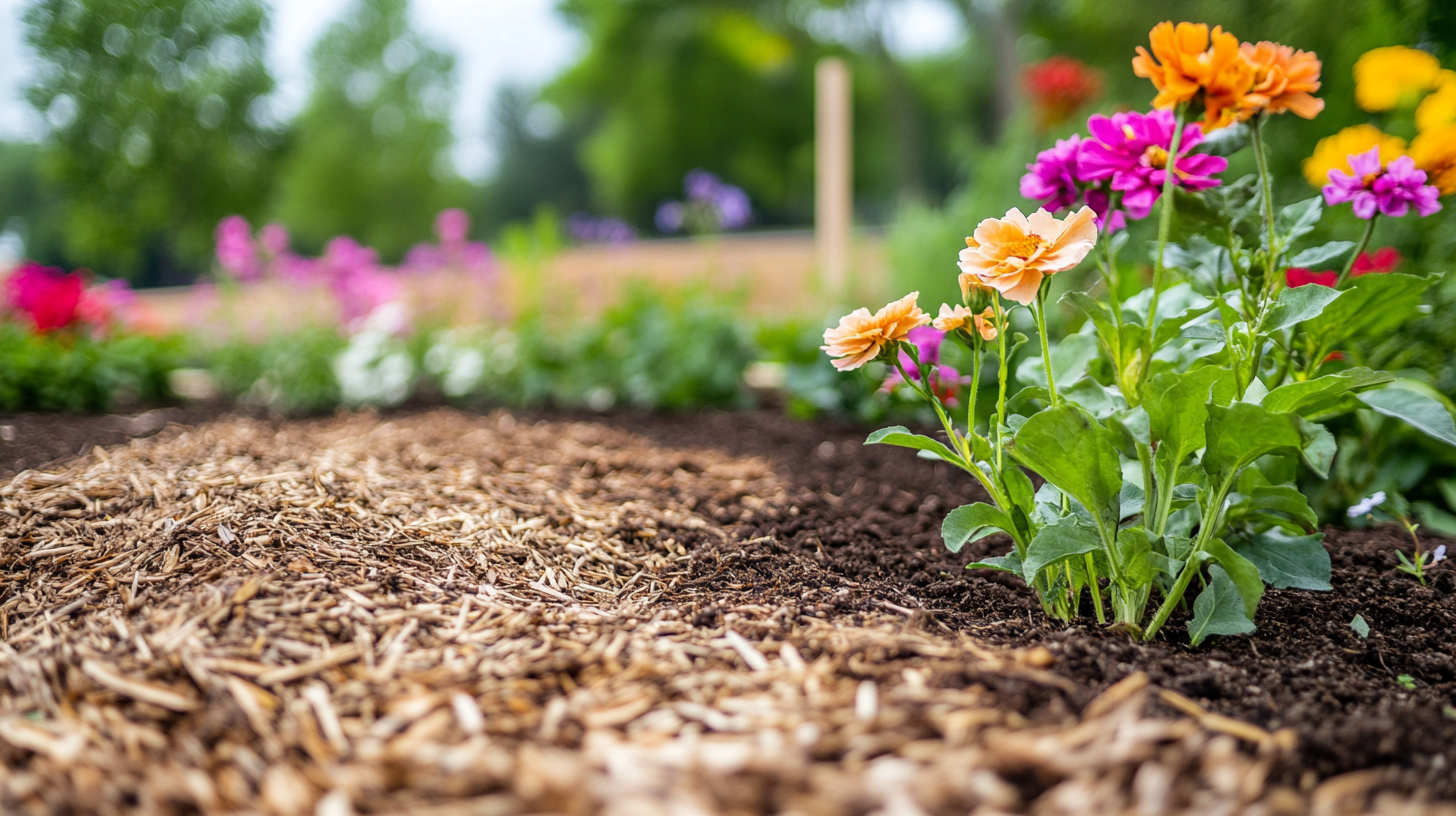
Mulching helps retain soil moisture and suppress weeds, but it also acts as a barrier between the soil and plant leaves, reducing the risk of soil-borne diseases. However, it’s important to use mulch correctly to prevent it from becoming a disease vector.
- Tip: Apply a 2-3 inch layer of organic mulch around your plants, keeping it a few inches away from the stems to prevent rot and allow air circulation.

8. Avoid Working in a Wet Garden
Working in the garden when plants are wet can spread disease from plant to plant, especially if you’re pruning or harvesting. Wet conditions also make plants more susceptible to infections.
- Tip: Wait until plants are dry before working in your garden. This simple step can prevent the spread of many fungal and bacterial diseases.
9. Sanitize Garden Tools
Dirty tools can easily spread disease from one plant to another. Regularly cleaning and sanitizing your tools is an essential part of garden hygiene.
- Tip: After working with infected plants or soil, clean your tools with a solution of one part bleach to nine parts water to kill any pathogens. Be sure to dry the tools thoroughly to prevent rust.
10. Monitor Your Plants Regularly
Early detection of disease symptoms can prevent a small problem from becoming a large outbreak. Regularly inspecting your plants allows you to catch issues early and take action before they spread.
- Tip: Make it a habit to walk through your garden at least once a week, looking for signs of disease such as discoloration, wilting, or unusual spots on leaves. If you spot a problem, remove the affected plant parts immediately.
The Role of Organic Treatments
In addition to these preventive measures, organic treatments can play a role in disease prevention. Organic fungicides, compost teas, and neem oil are all effective tools for protecting plants without the use of harsh chemicals.
Neem Oil
Neem oil is a natural, broad-spectrum fungicide and insecticide that can help prevent a variety of plant diseases. It works by disrupting the life cycle of many pests and pathogens, making it a valuable tool in disease prevention.
Compost Tea
Compost tea is a liquid made by steeping compost in water, creating a nutrient-rich solution that can be sprayed on plants. It helps boost plant immunity and introduces beneficial microbes that outcompete harmful pathogens.
Gardening Tips for Disease Prevention
- Rotate Crops Annually: Avoid planting the same crops in the same place year after year to prevent soil-borne diseases.
- Practice Good Hygiene: Clean up plant debris and remove any diseased plants promptly to reduce disease pressure.
- Select Resistant Varieties: Choose plant varieties that are bred for resistance to common diseases in your area.
- Improve Air Circulation: Space plants appropriately and prune them to allow air to circulate freely around them, reducing the risk of fungal diseases.
- Monitor and React Quickly: Keep an eye on your plants and take immediate action if you notice any signs of disease.
FAQs on Preventing Plant Diseases
Q1: What should I do if I notice disease symptoms on my plants?
A: If you spot disease symptoms, remove the affected plant parts immediately to prevent the spread. Consider applying an organic fungicide or neem oil as a preventive measure for the surrounding plants.
Q2: Can I prevent all plant diseases through these methods?
A: While these methods significantly reduce the risk of disease, it’s impossible to prevent all diseases completely. However, by staying vigilant and practicing good garden hygiene, you can minimize the impact of diseases on your garden.
Q3: How often should I inspect my plants for diseases?
A: Regular inspections are key to early detection. Aim to inspect your plants at least once a week, and more frequently during periods of high humidity or rapid growth when diseases are more likely to develop.
Recommended Tools and Resources
- Soil Testing Kit: Essential for monitoring soil health and nutrient levels, which are critical for disease prevention.
- Neem Oil: A versatile organic fungicide and insecticide that helps protect plants from a variety of diseases.
- Pruning Shears: Keep these sharp and clean for regular maintenance and to prevent the spread of diseases.
- Compost Bin: Use this to create your own compost, which will enrich your soil and help prevent plant diseases.
- Books on Plant Health: “The Gardener’s Guide to Plant Diseases” is a comprehensive resource for understanding and preventing plant diseases in your garden.
Conclusion
Preventing plant diseases is a key part of maintaining a thriving garden. By choosing disease-resistant varieties, practicing good garden hygiene, and using smart watering techniques, you can keep your plants healthy and reduce the risk of disease. Remember, prevention is always better than cure—so stay proactive and attentive, and your garden will reward you with lush, vigorous growth all season long. Happy gardening!