
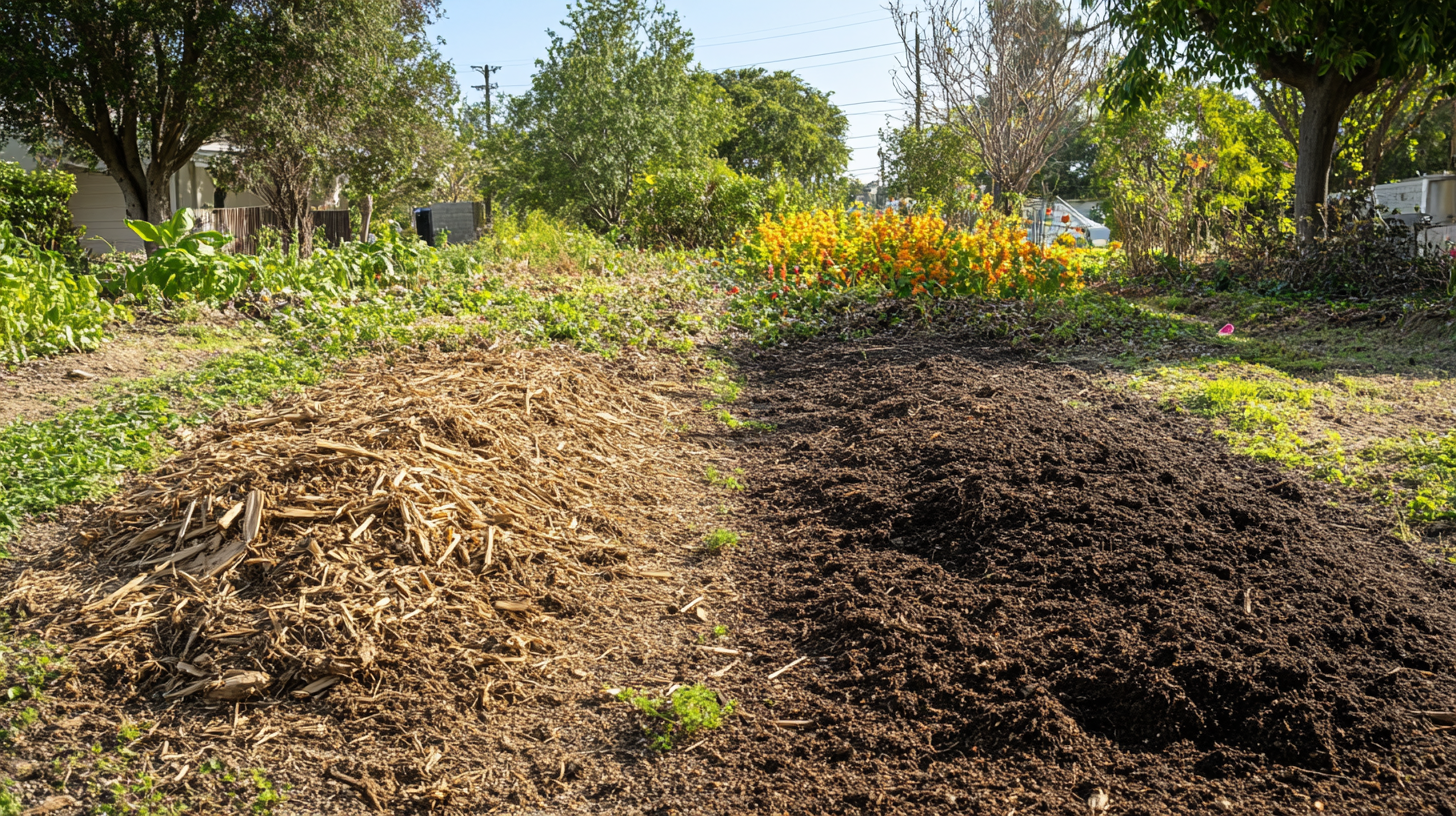
For gardeners, the secret to a thriving, bountiful garden often lies in the soil. And there’s no better way to improve your soil than by composting. Composting is an essential practice for every gardener, whether you’re growing vegetables, flowers, or herbs. By turning organic waste into nutrient-rich compost, you create the ideal environment for healthy plants, strong roots, and vibrant blooms. If you’re not already composting, now is the time to start. In this article, we’ll explore the key benefits of composting for your garden and why it’s a must for every gardener.

Enhancing Soil Fertility and Structure
One of the most compelling reasons to compost is its profound impact on soil fertility and structure. Healthy soil is the foundation of any successful garden, and composting plays a critical role in achieving and maintaining this health.
Improving Soil Fertility
Compost is often referred to as “black gold” because of its ability to enhance soil fertility. Here’s how compost boosts the nutrient content of your soil:
- Nutrient-Rich: Compost provides essential nutrients like nitrogen, phosphorus, and potassium, which are vital for plant growth. It also supplies micronutrients such as calcium, magnesium, and iron that support overall plant health.
- Slow-Release Fertilizer: Unlike chemical fertilizers, compost releases nutrients slowly over time, providing a steady supply to plants. This helps avoid the nutrient spikes and subsequent declines that can occur with synthetic fertilizers.
- Enhanced Cation Exchange Capacity (CEC): Compost increases the soil’s ability to retain and exchange nutrients, making them more available to plants. This means your plants can access the nutrients they need when they need them.
Improving Soil Structure
Good soil structure is crucial for root development, water retention, and air circulation. Here’s how compost contributes to better soil structure:
- Increased Organic Matter: Compost adds organic matter to the soil, improving its texture and structure. This is especially beneficial for sandy soils, which can be loose and dry, and clay soils, which can be dense and compacted.
- Enhanced Water Retention: Compost improves the soil’s ability to retain moisture, reducing the need for frequent watering and helping plants thrive even during dry periods.
- Improved Drainage: In addition to helping soil retain moisture, compost also improves drainage in heavy, clay soils. This prevents waterlogging and root rot, ensuring that your plants have the ideal conditions for growth.

Supporting a Healthy Garden Ecosystem
Composting does more than just improve the physical properties of soil—it also supports a vibrant, healthy garden ecosystem. By incorporating compost into your garden, you encourage the growth of beneficial organisms that play a vital role in maintaining plant health.
Encouraging Beneficial Microorganisms
Compost is teeming with beneficial microorganisms that help break down organic matter and convert it into nutrients that plants can use. These microorganisms include bacteria, fungi, and actinomycetes, all of which contribute to a healthy soil ecosystem.
- Soil Health: The microorganisms in compost help maintain soil health by breaking down organic matter, cycling nutrients, and suppressing harmful pathogens. This creates a balanced environment where plants can thrive.
- Disease Suppression: Healthy soil rich in beneficial microbes is more resistant to diseases. The diverse microbial population in compost can outcompete and suppress harmful pathogens, reducing the need for chemical treatments.
- Nutrient Availability: Microorganisms in compost play a crucial role in making nutrients available to plants. They break down organic matter into forms that plants can absorb, ensuring that your plants receive a steady supply of nutrients.
Attracting Earthworms and Other Beneficial Organisms
Compost is a magnet for earthworms, which are some of the best allies a gardener can have. Earthworms aerate the soil, improve its structure, and leave behind nutrient-rich castings that boost plant growth.
- Soil Aeration: As earthworms move through the soil, they create channels that improve aeration and water infiltration. This helps roots grow deeper and access the nutrients they need.
- Nutrient-Rich Castings: Earthworm castings (their waste) are a potent natural fertilizer. Rich in nutrients and beneficial microorganisms, castings enhance soil fertility and structure, leading to healthier plants.
- Improved Soil Structure: Earthworms help break down organic matter, mixing it into the soil and improving its structure. This results in soil that is both well-drained and moisture-retentive—ideal for plant growth.

Reducing the Need for Chemical Inputs
Composting is a natural and sustainable way to fertilize your garden, which means you can reduce or even eliminate the need for chemical fertilizers and pesticides. Here’s why this is beneficial:
Natural Fertilization
Compost provides all the nutrients your plants need, without the potential downsides of chemical fertilizers:
- Environmentally Friendly: Chemical fertilizers can leach into groundwater, contributing to pollution and harming aquatic ecosystems. Composting, on the other hand, is an eco-friendly practice that enriches the soil naturally.
- Cost Savings: By using compost instead of chemical fertilizers, you save money on garden supplies. Compost is essentially free once you start composting your household waste, making it a cost-effective solution for gardeners.
- Sustainable Gardening: Composting supports sustainable gardening practices by reducing reliance on synthetic inputs and promoting a more natural approach to soil health and plant nutrition.

Reduced Pesticide Use
Healthy soil leads to healthy plants, which are less susceptible to pests and diseases. By improving soil health with compost, you can reduce the need for chemical pesticides:
- Disease Resistance: Plants grown in compost-rich soil are more resilient to diseases, thanks to the balanced nutrients and beneficial microorganisms that compost provides.
- Pest Deterrence: Healthy plants are better able to fend off pests. Compost enhances plant health, making them less attractive to pests and reducing the need for chemical controls.
- Biodiversity: Compost encourages a diverse ecosystem in your garden, including predators that help control pest populations naturally. This reduces the need for harmful pesticides and supports a more balanced garden environment.
Gardening Tips: How to Incorporate Compost into Your Garden
- Amend Your Soil: Before planting, mix compost into your garden beds to improve soil fertility and structure. Aim for a 2-4 inch layer of compost worked into the top 6-8 inches of soil.
- Top Dress Your Plants: Apply a layer of compost around the base of your plants as a top dressing. This provides a slow release of nutrients and helps retain moisture in the soil.
- Use Compost as Mulch: Spread compost around your plants as a mulch to help retain moisture, suppress weeds, and add nutrients to the soil as it breaks down.
- Make Compost Tea: Brew compost tea by steeping compost in water. This nutrient-rich solution can be used to water plants, providing an extra boost during the growing season.

FAQs on Why Every Gardener Should Compost
Q1: How much compost should I add to my garden each year?
A: A good rule of thumb is to add 1-2 inches of compost to your garden beds each year. This amount is typically sufficient to improve soil structure and fertility without overwhelming the soil.
Q2: Can I use compost in container gardening?
A: Yes! Compost is excellent for container gardening. Mix it with potting soil to create a nutrient-rich growing medium, or use it as a top dressing to provide slow-release nutrients.
Q3: What’s the best time of year to add compost to my garden?
A: The best times to add compost to your garden are in the spring before planting and in the fall after the growing season. However, you can top dress with compost at any time during the growing season to boost plant health.
Recommended Tools and Resources
- Compost Bins: Choose a compost bin that suits your space and composting needs, whether it’s a small kitchen composter or a large outdoor bin.
- Soil Thermometers: Monitor the temperature of your compost pile to ensure it’s decomposing efficiently and producing high-quality compost.
- Gardening Books: “The Compost-Powered Garden” by Jean-Martin Fortier offers great insights into using compost effectively in your garden.
Conclusion
Composting is an essential practice for every gardener, offering a multitude of benefits that enhance soil health, support a thriving garden ecosystem, and reduce the need for chemical inputs. By turning organic waste into nutrient-rich compost, you create the ideal conditions for healthy, productive plants and a more sustainable garden. Whether you’re a beginner or an experienced gardener, incorporating compost into your routine is a simple and effective way to ensure that your garden flourishes. Start composting today and experience the transformative power it can have on your garden.

- External Resources: Gardening and Composting Tips
- Related Posts: Composting for a Greener Lifestyle: How It Saves Money and Resources