
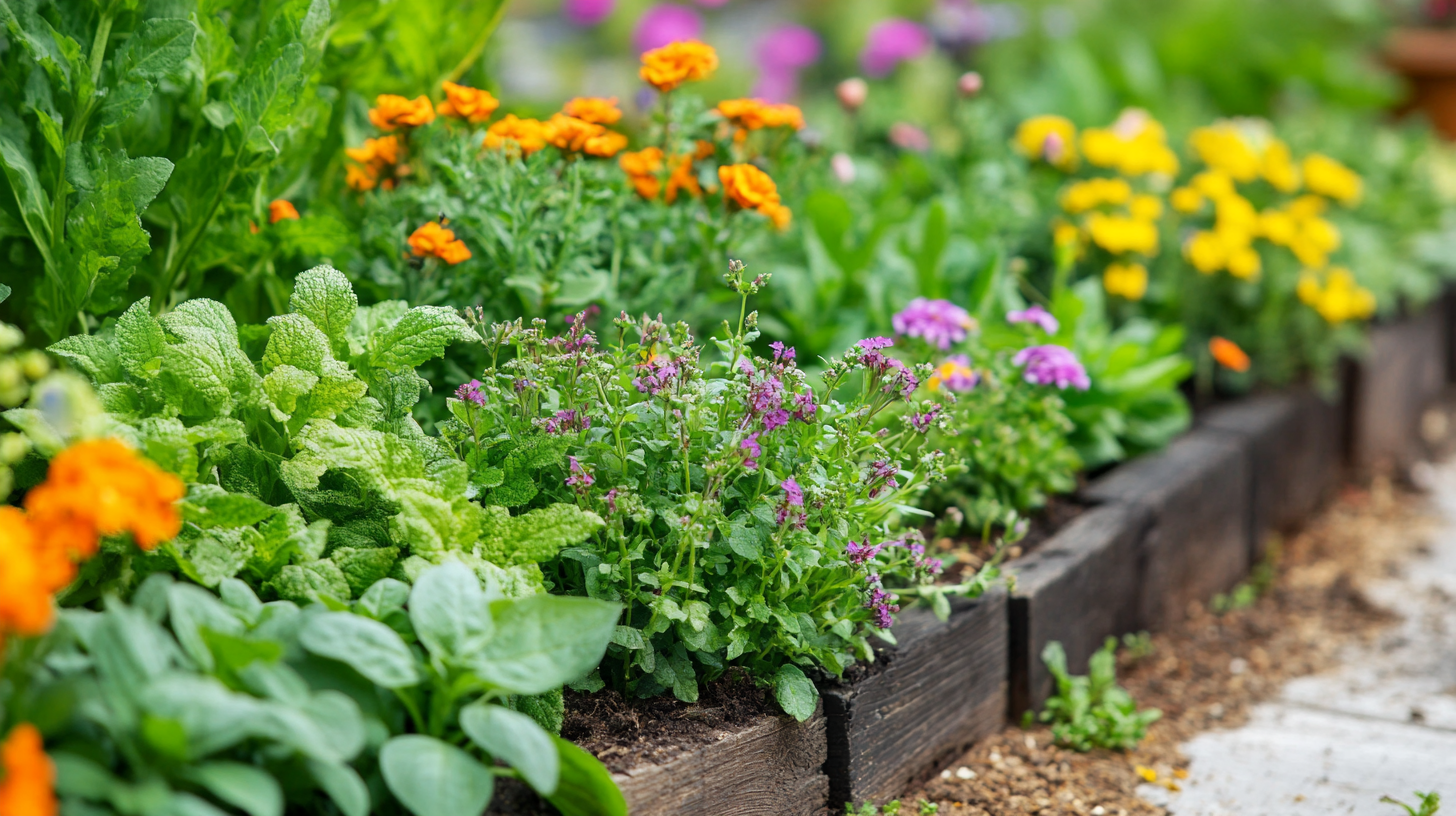
Starting a garden is an exciting journey, but along with the joy of watching your plants grow comes the challenge of dealing with pests. These unwelcome visitors can quickly turn your gardening dreams into a frustrating battle. However, with the right strategies, you can protect your garden from pests and ensure your plants thrive. This beginner-friendly guide will walk you through the basics of pest protection, offering simple and effective tips to safeguard your garden.

Gardening is a rewarding hobby that brings you closer to nature, but it also means dealing with the occasional pest problem. For new gardeners, the idea of pest control can seem daunting, but it doesn’t have to be. By understanding the basics and implementing a few straightforward techniques, you can keep your garden healthy and productive. In this guide, we’ll cover everything you need to know to get started with pest protection, from recognizing common garden pests to using natural methods to keep them at bay.
Understanding Common Garden Pests
The first step in protecting your garden is knowing what you’re up against. Different pests target different plants, and recognizing the signs of their presence is crucial for early intervention. Here are some of the most common garden pests you’re likely to encounter:
1. Aphids
- Appearance: Small, soft-bodied insects that come in various colors (green, black, red).
- Signs: Curled, yellowing leaves; sticky “honeydew” residue on plants; ants often accompany aphid infestations.
- Plants Affected: A wide range of plants, including roses, tomatoes, and peppers.
2. Slugs and Snails
- Appearance: Slimy, soft-bodied creatures with a shell (snails) or no shell (slugs).
- Signs: Large, irregular holes in leaves; slimy trails on plants and soil.
- Plants Affected: Lettuce, hostas, strawberries, and other tender leafy plants.
3. Caterpillars
- Appearance: Soft-bodied larvae of moths and butterflies, often green or brown.
- Signs: Chewed leaves, especially around the edges; presence of caterpillars on the undersides of leaves.
- Plants Affected: Cabbage, tomatoes, beans, and other vegetables.
4. Whiteflies
- Appearance: Tiny, white, moth-like insects that fly up in clouds when disturbed.
- Signs: Yellowing leaves, sticky honeydew, and sooty mold on leaves.
- Plants Affected: Tomatoes, peppers, cucumbers, and ornamentals.
5. Spider Mites
- Appearance: Tiny, spider-like insects that are often red or yellow; difficult to see without a magnifying glass.
- Signs: Fine webbing on the undersides of leaves, yellow or bronze spots on leaves.
- Plants Affected: Beans, tomatoes, peppers, and houseplants.
Basic Pest Protection Strategies
Now that you know what to look for, let’s explore some basic strategies that can help you protect your garden from pests. These beginner-friendly methods are easy to implement and can make a big difference in keeping your plants healthy.

1. Start with Healthy Plants
Healthy plants are more resistant to pests and diseases. When selecting plants for your garden, choose strong, healthy specimens that are free from any visible signs of pests or damage.
- Tip: Buy plants from reputable nurseries and inspect them carefully before planting. Avoid plants with yellowing leaves, stunted growth, or visible pests.
2. Practice Good Garden Hygiene
Keeping your garden clean and free of debris can help prevent pests from finding a place to hide and breed. Regularly remove dead leaves, weeds, and plant debris to reduce pest habitats.
- Tip: Dispose of garden waste properly and do not compost plant material that may be infected with pests or diseases.
3. Water Wisely
Overwatering or watering at the wrong time can create conditions that are ideal for pests like slugs and fungal diseases. Watering wisely helps keep your plants healthy and less attractive to pests.
- Tip: Water early in the morning so plants have time to dry out during the day. Use drip irrigation or soaker hoses to direct water to the roots and keep foliage dry.
4. Use Mulch
Mulching is an effective way to suppress weeds, retain soil moisture, and create a barrier against soil-borne pests. Organic mulches like straw, wood chips, or compost are great choices.
- Tip: Apply a 2-3 inch layer of mulch around your plants, but keep it a few inches away from plant stems to prevent rot and allow for air circulation.
5. Attract Beneficial Insects
Not all insects are bad for your garden. Beneficial insects like ladybugs, lacewings, and predatory beetles can help control pest populations naturally. By creating a garden environment that attracts these helpful insects, you can reduce the need for chemical interventions.
- Tip: Plant a variety of flowers and herbs, such as dill, fennel, and marigolds, to attract beneficial insects. Avoid using broad-spectrum pesticides that can harm these allies.
6. Use Physical Barriers
Physical barriers are a simple and effective way to protect your plants from pests. These barriers can prevent pests from reaching your plants and causing damage.
- Row Covers: Lightweight fabric covers that protect plants from insects while allowing light, air, and moisture to reach them.
- Netting: Use netting to protect fruiting plants like strawberries and blueberries from birds and insects.
- Collars: Place collars around the base of plants to prevent cutworms and other soil-borne pests from attacking.
7. Rotate Your Crops
Crop rotation is an age-old technique that helps prevent the buildup of pests and diseases in the soil. By rotating crops each season, particularly those in the same plant family, you can disrupt the life cycles of pests.
- Tip: Avoid planting the same type of crop in the same spot for consecutive years. Instead, rotate your crops to different areas of the garden each season.

Natural Pest Control Methods
In addition to the basic strategies, there are several natural pest control methods that you can use to protect your garden. These methods are safe, effective, and easy to apply, making them perfect for beginners.
1. Neem Oil
Neem oil is a natural pesticide derived from the seeds of the neem tree. It is effective against a wide range of pests, including aphids, spider mites, and whiteflies. Neem oil works by disrupting the feeding and reproductive processes of pests.
- How to Use: Mix neem oil with water according to the instructions on the label and spray it on affected plants, making sure to cover all surfaces, including the undersides of leaves.
2. Insecticidal Soap
Insecticidal soap is a safe and effective way to control soft-bodied insects like aphids, mealybugs, and whiteflies. It works by disrupting the cell membranes of insects, causing them to dehydrate and die.
- How to Use: Apply insecticidal soap directly to the affected plants, focusing on areas where pests are present. Reapply as needed, especially after rain.
3. Diatomaceous Earth
Diatomaceous earth is a natural powder made from fossilized aquatic organisms. It is highly effective at controlling crawling insects like slugs, snails, and ants by dehydrating them upon contact.
- How to Use: Sprinkle diatomaceous earth around the base of plants or directly onto the soil where pests are active. Reapply after rain or heavy watering.
4. Companion Planting
Companion planting involves growing certain plants together to enhance growth, deter pests, or attract beneficial insects. For example, planting basil near tomatoes can help repel whiteflies, while marigolds can deter nematodes.
- Tip: Research companion planting pairs that work well together and plan your garden layout accordingly.
5. Hand-Picking
For larger pests like caterpillars, beetles, and slugs, hand-picking can be an effective way to reduce their numbers. While this method requires a bit more effort, it can be very effective in small gardens.
- Tip: Check your plants regularly, especially in the early morning or late evening when pests are most active, and remove any visible pests by hand.
Monitoring and Maintenance
Regular monitoring and maintenance are key to keeping your garden pest-free. By staying vigilant and addressing problems as soon as they arise, you can prevent small issues from becoming major infestations.

1. Regular Inspections
Make it a habit to walk through your garden at least once a week to check for signs of pests. Look for damaged leaves, discolored spots, or the presence of insects.
- Tip: Use a magnifying glass to inspect the undersides of leaves where many pests like to hide.
2. Early Intervention
If you notice any signs of pest activity, take action immediately. Early intervention is often the best way to prevent a small problem from becoming a larger issue.
- Tip: Apply natural pest control methods as soon as you spot pests, and continue to monitor the situation closely.
3. Maintain Garden Records
Keeping a garden journal can help you track pest activity and the effectiveness of different pest control methods. This information will be valuable in planning your garden for the next season.
- Tip: Record what pests you encounter, when they appear, and what methods you use to control them. Note which strategies are most effective for future reference.
FAQs on Garden Pest Protection
Q1: Can I prevent all pests from entering my garden?
A: While it’s impossible to completely eliminate pests from your garden, you can significantly reduce their impact by using a combination of the strategies outlined in this guide.
Q2: Is it okay to use chemical pesticides in my garden?
A: Chemical pesticides should be used as a last resort, as they can harm beneficial insects, pollinators, and the environment. Natural and organic methods are safer and often just as effective.
Q3: How do I know if my plants are healthy?
A: Healthy plants typically have vibrant, green leaves, strong stems, and a steady rate of growth. Regular watering, proper spacing, and good soil health are key factors in maintaining plant health.
Recommended Tools and Resources
- Garden Journal: Track pest activity and the effectiveness of different pest control methods.
- Neem Oil Spray: A versatile organic treatment for a wide range of garden pests.
- Row Covers: Protect young plants from insects and extend the growing season.
- Magnifying Glass: Helpful for inspecting plants for small pests like spider mites and aphids.
- Books on Organic Gardening: “The Vegetable Gardener’s Bible” offers comprehensive advice on growing a healthy, pest-free garden.

Conclusion
Protecting your garden from pests doesn’t have to be overwhelming, even for a beginner. By starting with healthy plants, practicing good garden hygiene, and using natural pest control methods, you can keep your garden thriving all season long. Remember, the key to successful pest management is early detection and consistent care. With the tips and strategies outlined in this guide, you’ll be well-equipped to safeguard your garden and enjoy the fruits (and vegetables) of your labor. Happy gardening!