
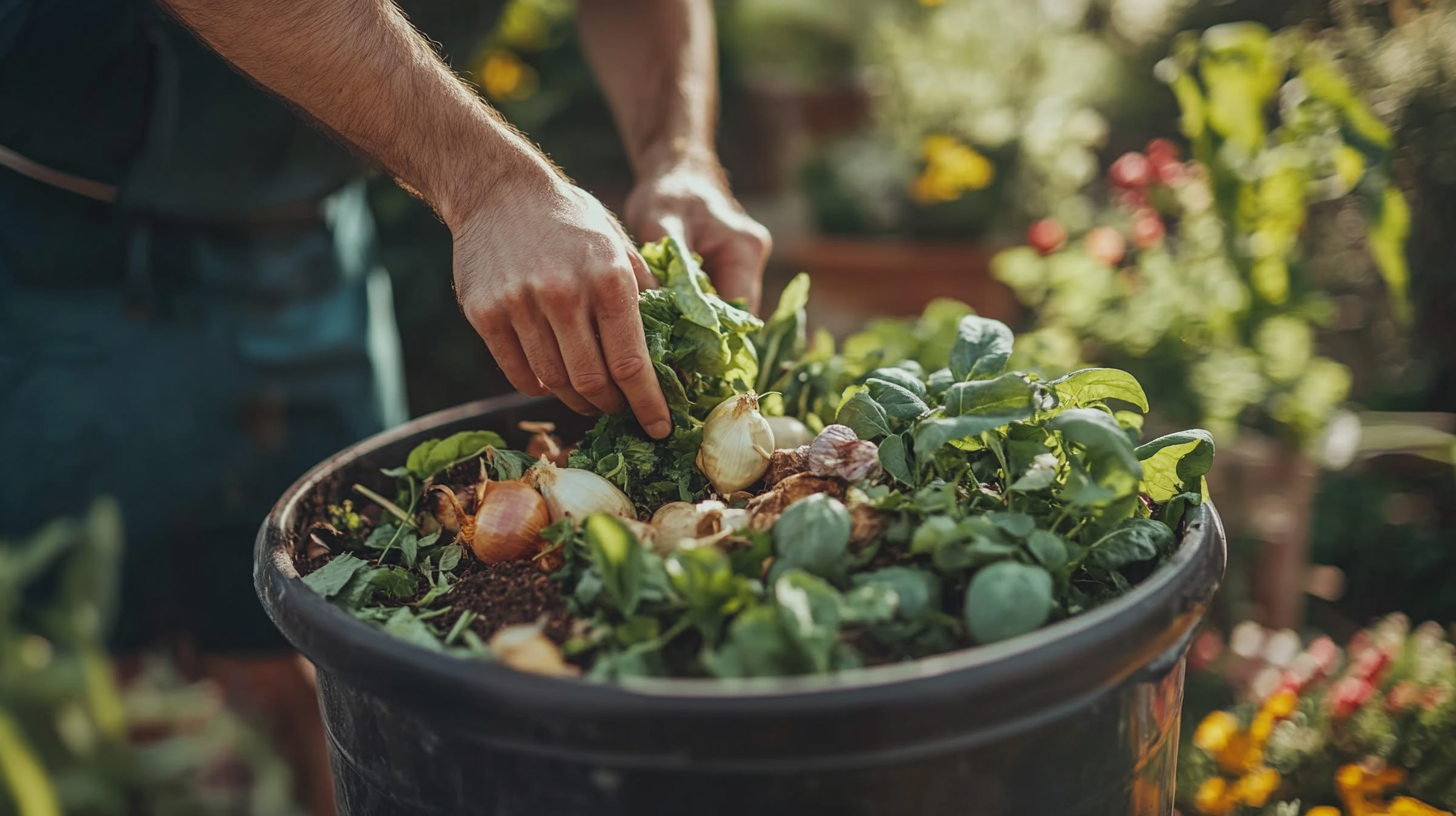
Composting is more than just a way to recycle your kitchen scraps and yard waste—it’s a transformative practice that turns everyday organic materials into “garden gold.” By composting, you not only reduce the amount of waste sent to landfills but also create anutrient-rich amendment that boosts the health and productivity of your garden. Whether you’re new to gardening or a seasoned pro, composting is a simple yet powerful way to enrich your soil and enhance your plants’ growth. Let’s explore how you can start composting and unlock its full potential for your garden.
The Basics of Composting: How It Works
Composting is a natural process where organic materials such as vegetable peels, coffee grounds, and fallen leaves break down into a dark, crumbly substance known as compost. This process is driven by microorganisms that feed on the organic matter, gradually decomposing it into a rich, soil-like material.

To create compost, you need three basic ingredients:
- Browns – These are materials rich in carbon, such as dry leaves, straw, and cardboard.
- Greens – These are nitrogen-rich materials like vegetable scraps, coffee grounds, and fresh grass clippings.
- Water – Moisture is crucial for the composting process, helping to break down the organic matter and sustain the microorganisms at work.
By mixing these components in the right ratio—typically, two-thirds browns to one-third greens—you can create an environment where composting can happen efficiently. The result is a nutrient-rich compost that can be added to your garden beds, improving soil structure and fertility.
How Composting Benefits Your Garden
Composting does more than just recycle waste; it revitalizes your garden in several key ways:
- Enhances Soil Structure: Compost improves the texture of your soil, whether it’s sandy, clay, or somewhere in between. It helps sandy soils retain moisture and allows clay soils to drain more efficiently.
- Provides Nutrients: Compost is rich in essential nutrients like nitrogen, phosphorus, and potassium, which are crucial for plant growth. Unlike synthetic fertilizers, compost releases these nutrients slowly, feeding your plants over time and promoting steady growth.
- Supports Soil Life: Composting introduces beneficial microorganisms, worms, and other soil life into your garden. These organisms help break down organic matter in the soil, making nutrients more accessible to plants.
- Reduces Plant Diseases: Healthy, well-balanced soil rich in compost is less prone to pests and diseases. The beneficial microbes in compost can outcompete harmful pathogens, creating a healthier environment for your plants.

How to Get Started with Composting
Starting a compost pile or bin at home is easier than you might think. Here’s a step-by-step guide:
- Choose Your Composting Method: Decide whether you want to use a compost bin, tumbler, or an open pile. Each has its advantages—bins are tidy and compact, tumblers make turning the compost easy, and open piles are great for larger spaces.
- Find a Location: Place your compost bin or pile in a convenient spot in your yard, preferably somewhere that gets a mix of sun and shade.
- Start Adding Materials: Begin by adding a layer of browns (like dry leaves), then a layer of greens (like kitchen scraps), and continue layering. Keep the compost moist but not soggy, and turn it every few weeks to aerate the pile.
- Wait and Monitor: Composting takes time, usually several months to a year, depending on the materials used and environmental conditions. Keep an eye on the moisture level and temperature of your pile, and continue to turn it regularly.
- Harvest Your Compost: Once the compost is dark, crumbly, and has an earthy smell, it’s ready to use. Spread it on your garden beds, mix it into potting soil, or use it as a top dressing for your lawn.
Gardening Tips: Maximizing Your Compost’s Benefits
- Balance Your Ingredients: Too much green material can make your compost pile slimy and smelly, while too many browns can slow down the decomposition process. Aim for a balanced mix to keep things moving efficiently.
- Chop It Up: Cutting up larger pieces of material, such as branches or vegetable peels, helps them break down faster.
- Avoid Composting Meat and Dairy: These items can attract pests and produce odors. Stick to plant-based scraps for a smooth composting process.
- Use Compost Tea: Steep finished compost in water to create a nutrient-rich liquid fertilizer that you can apply directly to your plants.

FAQs on Composting
Q1: Can I compost in a small space like an apartment?
A: Absolutely! Vermicomposting, or composting with worms, is a great option for small spaces. You can keep a worm bin under your kitchen sink or on a balcony.
Q2: How do I know if my compost is ready to use?
A: Finished compost will be dark, crumbly, and have an earthy smell. It should no longer resemble the original materials you added.
Q3: Can I add weeds to my compost pile?
A: It’s best to avoid adding weeds that have gone to seed or have aggressive root systems, as they might survive the composting process and sprout in your garden.
Recommended Tools and Resources
- Compost Tumblers: For easy turning and aerating of your compost.
- Vermicompost Bins: Ideal for composting indoors or in small spaces.
- Compost Thermometers: To monitor the internal temperature of your compost pile.
- Books on Composting: “The Rodale Book of Composting” is a comprehensive guide for beginners.

Conclusion
Composting is a rewarding practice that transforms your organic waste into a valuable resource for your garden. By turning kitchen scraps and yard waste into nutrient-rich compost, you can enhance your soil, promote healthy plant growth, and contribute to a more sustainable environment. Start your composting journey today, and unlock the power of composting to create your own garden gold.
Related Posts: Composting for a Greener Lifestyle: How It Saves Money and Resources