
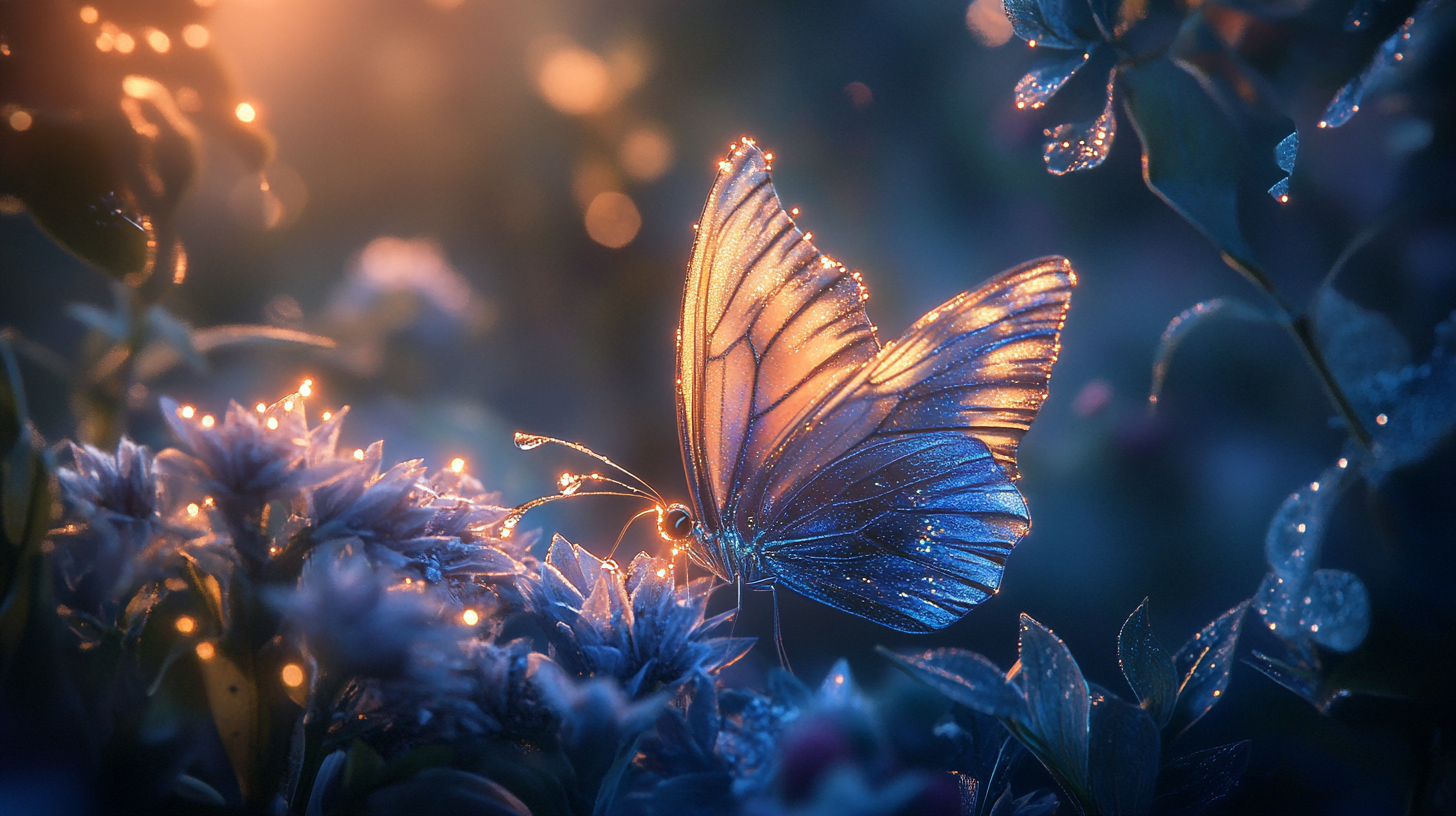
A garden buzzing with life is a garden full of promise. Pollinators such as bees, butterflies, birds, and even bats play a crucial role in helping plants reproduce, ensuring that our gardens remain productive and vibrant. If you want to boost your garden’s health and productivity, attracting pollinators is key. Here’s how you can create a welcoming environment for these essential creatures.

Understanding Pollinator Preferences
The first step in attracting pollinators to your garden is understanding their preferences. Different pollinators are drawn to specific plants and conditions. For example, bees are attracted to blue, purple, and yellow flowers with a sweet fragrance, while butterflies prefer bright, sun-loving plants like zinnias and milkweed. Hummingbirds are drawn to red or orange tubular flowers like trumpet vine and honeysuckle.
Pollinators also have specific needs for shelter and water. Bees might nest in hollow stems or underground burrows, while butterflies require places to rest and lay eggs, such as dense shrubs or leaf litter. By understanding these needs, you can tailor your garden to attract a diverse array of pollinators.
Planting a Pollinator-Friendly Garden

Creating a garden that attracts pollinators starts with choosing the right plants. Here’s how to get started:
- Plant a variety of flowers: Include a mix of flowering plants that bloom at different times of the year. This ensures a consistent food source for pollinators throughout the seasons.
- Opt for native plants: Native plants are particularly effective at attracting local pollinators since they co-evolved with them. Consider planting species like coneflowers, black-eyed Susans, or wild bergamot.
- Include host plants: Some pollinators, like butterflies, lay their eggs on specific host plants. For instance, monarch butterflies rely on milkweed as a host plant for their larvae. Adding these plants to your garden will encourage pollinators to stick around.
- Create clusters of flowers: Pollinators are more likely to visit clusters of flowers rather than isolated plants. Planting in groups also makes it easier for them to find food.
Providing Shelter and Water for Pollinators
Beyond plants, your garden should offer shelter and water sources to meet all the needs of pollinators:
- Install bee hotels: Bee hotels provide nesting spaces for solitary bees, which are efficient pollinators. You can buy one or make your own by drilling holes into untreated wood blocks.
- Leave some areas wild: Allow a portion of your garden to grow naturally without too much interference. This can provide shelter for pollinators and other wildlife.
- Provide water sources: Shallow dishes of water with stones for perching are ideal for butterflies, bees, and birds. Ensure the water is clean and replace it regularly.
- Create a damp, muddy area: Butterflies and other pollinators sometimes seek out mud puddles to extract minerals and water, a process known as “puddling.”

Avoiding Harmful Practices
To truly create a haven for pollinators, it’s important to avoid practices that can harm them:
- Minimize pesticide use: Pesticides can be harmful or even lethal to pollinators. Opt for organic pest control methods, such as introducing beneficial insects or using natural repellents.
- Choose the right time for spraying: If you must use pesticides, apply them during the evening or early morning when pollinators are less active. Always opt for targeted treatments rather than broad-spectrum pesticides.
- Avoid using herbicides excessively: Overuse of herbicides can reduce the number of flowering plants in your garden, limiting food sources for pollinators.

FAQs on Attracting Pollinators
Q1: What are the best plants for attracting bees?
A: Bees are particularly attracted to plants like lavender, borage, sunflowers, and rosemary. They prefer blue, purple, and yellow flowers.
Q2: How can I attract butterflies to my garden?
A: To attract butterflies, plant nectar-rich flowers like zinnias, asters, and coneflowers. Include host plants like milkweed and parsley for them to lay their eggs.
Q3: Can I attract pollinators to a small garden or balcony?
A: Yes! Even small spaces can attract pollinators by planting a variety of flowers in containers, installing a bee hotel, and providing a shallow water source.
Recommended Tools and Resources
- Pollinator seed mixes that include a variety of native flowering plants.
- Bee hotels to support solitary bees.
- Pollinator garden books that offer detailed guidance on plant selection and garden design.
- Organic pest control products that are safe for pollinators.

Conclusion
Attracting pollinators to your garden is one of the most rewarding things you can do as a gardener. Not only will your garden thrive with the help of these vital creatures, but you’ll also contribute to the health of the broader environment. By understanding their needs and providing the right conditions, you can create a garden that buzzes with life and productivity all season long.
