
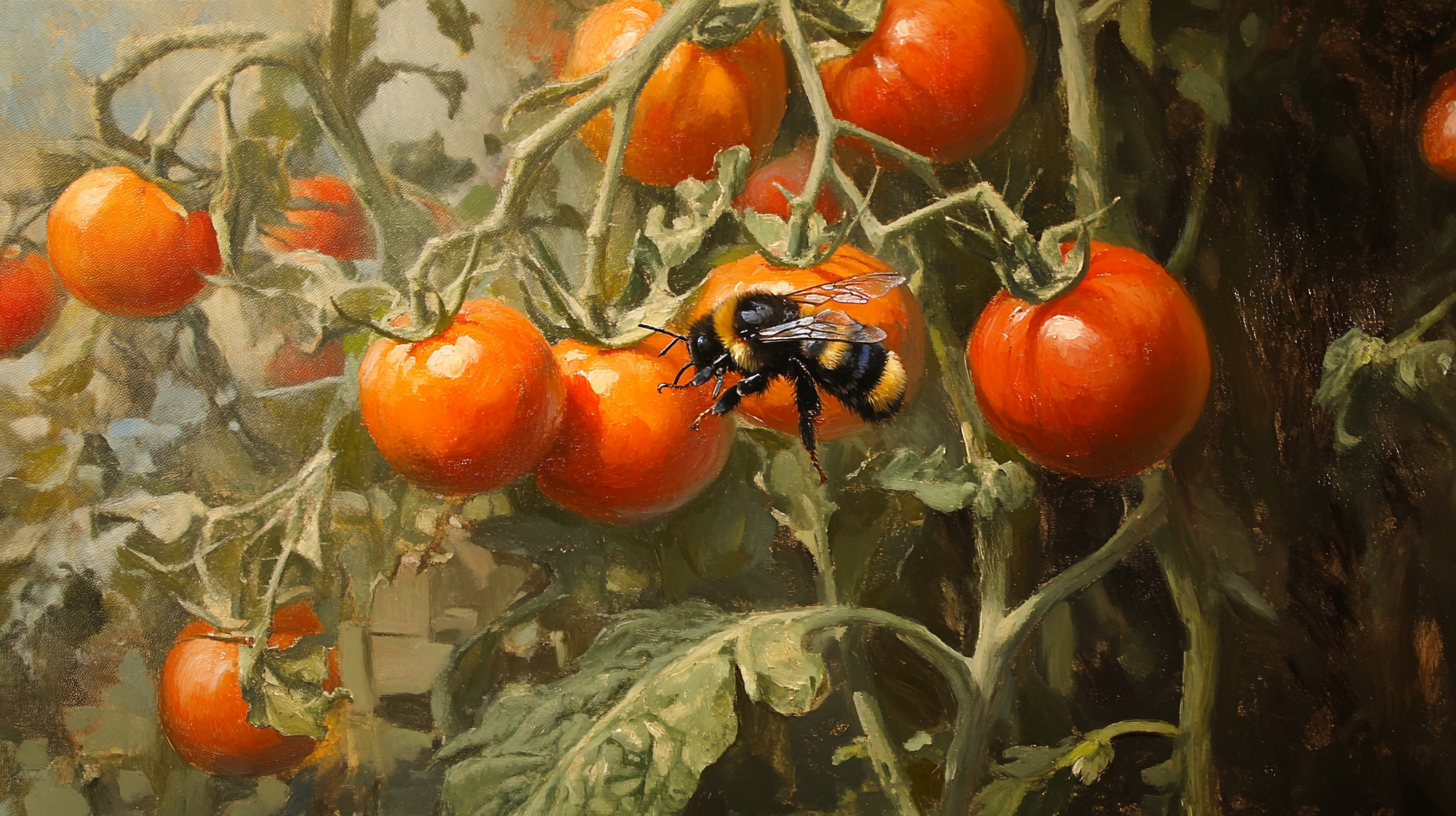

A thriving vegetable garden is the dream of every gardener, but achieving bountiful harvests often requires more than just good soil, sunlight, and water. Pollinators play a crucial role in the success of many of the vegetables we grow, and understanding their impact can help you significantly boost your garden’s productivity. In this article, we’ll explore how pollinators contribute to vegetable gardens and share tips on how to make your garden more pollinator-friendly.
How Pollinators Contribute to Vegetable Production
Pollinators, such as bees, butterflies, and other insects, are vital for the production of many vegetables. Their primary role is to transfer pollen from the male parts of a flower (anther) to the female parts (stigma), enabling fertilization and, consequently, the development of fruits and seeds.
In vegetable gardens, pollinators are particularly important for plants that produce fruit from flowers, such as:
- Tomatoes: Although tomatoes are self-pollinating, they benefit greatly from buzz pollination provided by bees, which helps ensure a full and uniform set of fruits.
- Cucumbers and Squash: These plants rely heavily on bees to transfer pollen between male and female flowers. Without pollinators, fruit production can be severely limited.
- Peppers: While peppers can self-pollinate, the presence of bees can increase fruit set and size, leading to a more abundant harvest.
- Melons and Pumpkins: These plants also depend on bees for successful pollination, resulting in larger and more plentiful fruits.
Without adequate pollination, your vegetable plants may produce fewer fruits, and the ones that do form may be smaller, misshapen, or underdeveloped. By attracting and supporting pollinators, you can improve both the quantity and quality of your vegetable harvests.

Boosting Pollination in Your Vegetable Garden
To maximize pollination and ensure a productive vegetable garden, consider the following strategies:
- Plant Pollinator-Friendly Flowers: Integrate flowers that attract pollinators into your vegetable garden. Marigolds, zinnias, and sunflowers are excellent choices that not only bring pollinators but also add beauty to your garden.
- Create Pollinator Pathways: Arrange your garden in a way that allows easy access for pollinators. Group vegetables that need pollination together and intersperse them with flowering plants to guide pollinators through your garden.
- Provide Continuous Blooms: Ensure that your garden has flowers blooming throughout the growing season. Early-blooming flowers help attract pollinators to your garden at the start of the season, while late bloomers keep them around until your vegetables are ready to harvest.
- Use Organic Mulches: Organic mulches, like straw or leaves, can provide habitat for ground-nesting bees. These bees are essential for pollinating crops like pumpkins and squash.

The Benefits of Companion Planting
Companion planting is an effective technique to enhance pollination in your vegetable garden. By planting certain flowers and herbs alongside your vegetables, you can attract more pollinators and beneficial insects, which can also help control pests.
- Basil and Tomatoes: Planting basil near tomatoes can attract bees, which can improve tomato pollination and increase yields.
- Nasturtiums and Cucumbers: Nasturtiums attract pollinators and can also repel pests like aphids, benefiting your cucumbers.
- Borage and Strawberries: Borage is known to attract bees and can enhance the pollination of nearby strawberries, leading to larger fruits.
Companion planting not only improves pollination but also fosters a more diverse and resilient garden ecosystem, making it an excellent strategy for any gardener.
FAQs on Pollinators in Vegetable Gardens
Q1: Which vegetables benefit the most from pollinators?
A: Vegetables like cucumbers, squash, tomatoes, peppers, and melons benefit significantly from pollinators. These plants often produce more and better-quality fruits when pollinators are present.
Q2: Can I still have a productive vegetable garden without pollinators?
A: While some vegetables like leafy greens and root crops don’t require pollination, fruiting vegetables will have reduced yields without adequate pollination. Hand-pollination can be a substitute, but it’s time-consuming and less effective than natural pollination.
Q3: How can I attract more bees to my vegetable garden?
A: Plant a variety of flowers that bloom throughout the season, avoid using pesticides, and consider adding a bee hotel to encourage solitary bees to nest nearby.
Recommended Tools and Resources
- Pollinator-attracting flower seeds to plant alongside your vegetables.
- Bee hotels to encourage bees to stay in your garden.
- Organic mulch options like straw or wood chips that can double as habitat for ground-nesting bees.
- Companion planting guides that offer advice on which plants work best together.

Conclusion
Pollinators are indispensable to the success of your vegetable garden, helping to ensure a bountiful harvest of delicious and nutritious produce. By understanding their role and taking steps to attract them, you can significantly boost your garden’s productivity. So, plant those pollinator-friendly flowers, embrace companion planting, and watch as your garden flourishes with the help of these tiny, hardworking creatures.