
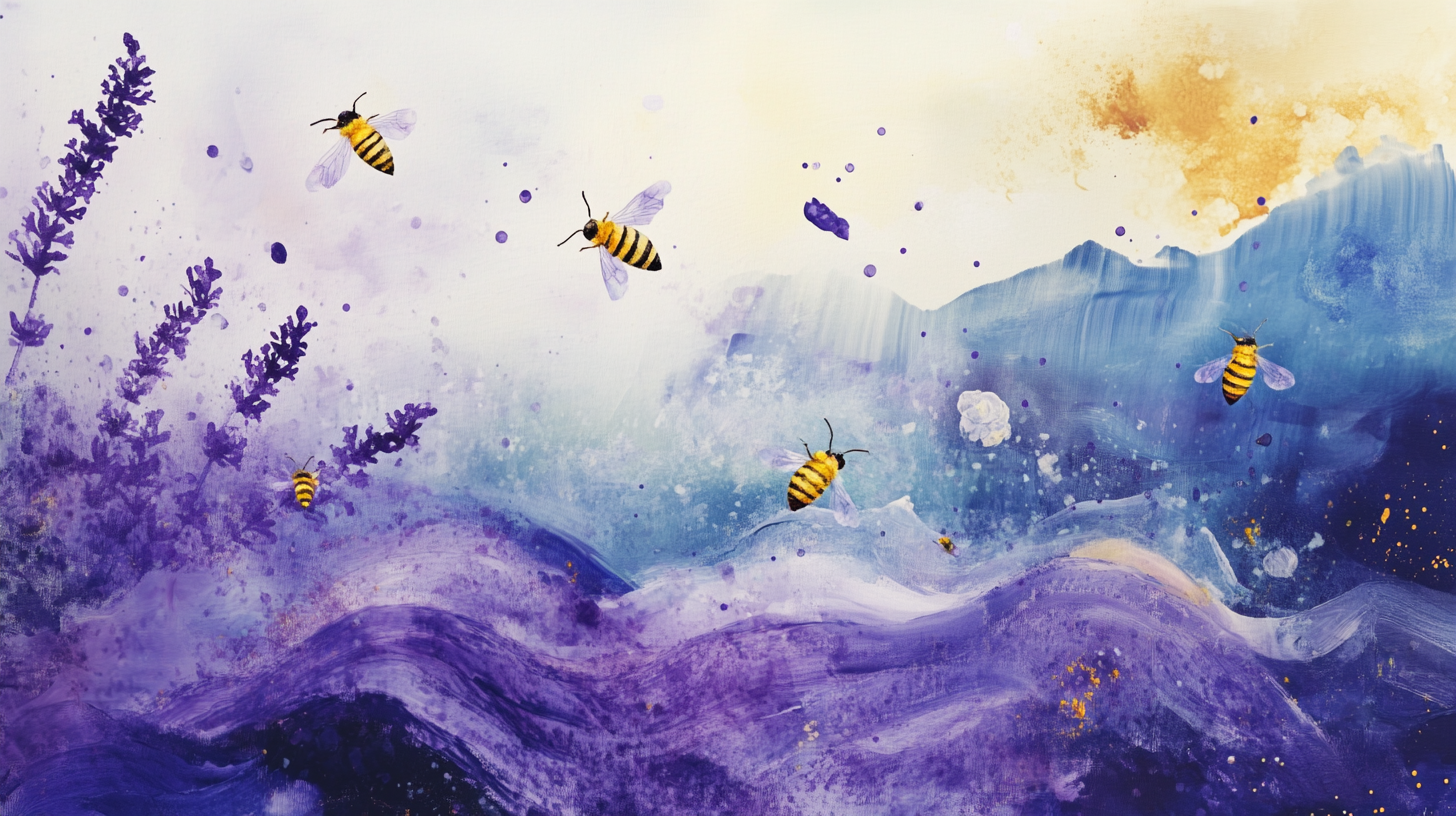
Creating a garden that attracts and supports pollinators is one of the most rewarding ways to enhance your outdoor space. By selecting the right plants, you can provide a steady source of nectar, pollen, and shelter for bees, butterflies, birds, and other vital pollinators. In this guide, we’ll explore some of the best pollinator-friendly plants you can grow to ensure a healthy and vibrant garden.
Why Planting for Pollinators Matters
Pollinators are essential to the health of our gardens and the broader environment. They are responsible for the reproduction of about 75% of flowering plants, including many of the fruits, vegetables, and nuts we rely on for food. However, pollinator populations have been declining due to habitat loss, pesticide use, and climate change.
By planting a variety of pollinator-friendly plants, you can help create a sanctuary for these important creatures, supporting biodiversity and improving your garden’s productivity at the same time. A garden rich in pollinators is not only more beautiful but also more resilient and productive.
Top Pollinator-Friendly Plants to Grow

When choosing plants for your garden, consider their bloom time, flower shape, and the specific needs of local pollinators. Here are some top choices to help you get started:
1. Lavender (Lavandula)
Lavender is a favorite among bees, particularly honeybees. Its fragrant purple flowers are rich in nectar, making it an excellent addition to any garden. Lavender also has the added benefit of being drought-resistant and easy to care for.
2. Coneflower (Echinacea)
Coneflowers are robust perennials that attract a wide range of pollinators, including bees, butterflies, and hummingbirds. Their large, daisy-like flowers bloom from mid-summer to fall, providing a long-lasting food source.
3. Bee Balm (Monarda)
Bee balm is aptly named, as it’s a magnet for bees and other pollinators. This plant features vibrant red, pink, or purple flowers and has a strong, pleasant fragrance. It’s also a great choice for attracting hummingbirds.
4. Milkweed (Asclepias)
Milkweed is essential for the survival of monarch butterflies, as it’s the only plant on which they lay their eggs. Besides supporting monarchs, milkweed’s pink or orange flowers attract various other pollinators.
5. Sunflowers (Helianthus)
Sunflowers are a delightful addition to any garden, providing abundant nectar and pollen for bees and other pollinators. Their large, bright yellow blooms are not only attractive but also provide food for birds in the form of seeds.
6. Zinnias (Zinnia elegans)
Zinnias are easy-to-grow annuals that come in a wide range of colors. Their flowers are particularly attractive to butterflies, making them a great choice for a pollinator-friendly garden. Zinnias also bloom from summer until the first frost, ensuring a long-lasting food supply.
7. Borage (Borago officinalis)
Borage is a herb that produces star-shaped blue flowers, which are highly attractive to bees. It’s a self-seeding annual, meaning it will often return year after year, ensuring a continuous food source for pollinators.
8. Salvia (Salvia spp.)
Salvia, or sage, is another pollinator favorite, especially for bees and hummingbirds. With its spiky flowers in shades of blue, purple, red, or white, salvia adds both color and texture to your garden.

9. Asters (Aster spp.)
Asters bloom in late summer and fall, providing essential nectar for pollinators as the season winds down. Their star-shaped flowers come in various colors, including purple, blue, and pink, making them a versatile addition to your garden.
10. Goldenrod (Solidago)
Goldenrod is often mistakenly blamed for allergies, but it’s actually a valuable plant for pollinators. Its bright yellow flowers bloom in late summer and fall, offering a crucial food source for bees and butterflies as they prepare for winter.
Designing Your Pollinator Garden
When designing a garden to attract pollinators, keep these tips in mind:
- Diversity is key: Plant a variety of flowers that bloom at different times throughout the growing season. This ensures that pollinators have a continuous food source from spring to fall.
- Group similar plants together: Pollinators are more likely to visit flowers that are clustered together, which makes foraging easier and more efficient.
- Incorporate native plants: Native plants are better adapted to local climates and are more likely to attract and support local pollinators.
- Provide water and shelter: Include features like shallow water dishes with stones, patches of bare soil for ground-nesting bees, and plenty of cover for pollinators to rest and hide.

FAQs on Pollinator-Friendly Plants
Q1: Can I grow pollinator-friendly plants in containers?
A: Absolutely! Many pollinator-friendly plants, like lavender, zinnias, and salvia, do well in containers. Just make sure to provide enough sunlight and water for the plants to thrive.
Q2: Are all flowers pollinator-friendly?
A: Not all flowers are created equal when it comes to attracting pollinators. Some modern hybrids, especially those bred for showy, double blooms, may lack the nectar and pollen that pollinators need. Stick to single-flower varieties and native species for the best results.
Q3: How can I make my garden more attractive to butterflies?
A: To attract butterflies, include plants like milkweed, coneflowers, and asters, which provide nectar and serve as host plants for their larvae. You can also add a butterfly house or flat rocks for sunbathing.
Recommended Tools and Resources
- Pollinator-friendly seed packs to start your garden.
- Books on native plants to help you choose the best species for your area.
- Organic gardening guides that focus on supporting pollinators without harmful chemicals.
- Water features designed specifically for pollinators, like shallow birdbaths or bee waterers.
Conclusion
By planting pollinator-friendly plants, you can create a garden that’s not only beautiful but also teeming with life. These plants will attract a variety of pollinators, helping to ensure the health and productivity of your garden while contributing to the well-being of the environment. Whether you’re starting a new garden or enhancing an existing one, the addition of these plants is a step toward a healthier, more vibrant garden ecosystem.

One response to “Pollinator-Friendly Plants: What to Grow for a Healthy Garden”
jolly! Famous Poet’s Lost Work Discovered After Century 2025 chic